The hardest part of yoga is almost always the first class — not the poses, but the walking in. So here is precisely what happens, step by step, so that nothing about the room is a surprise.
Before you arrive
Come ten minutes early. That is enough time to find us on New King’s Road, leave your things, and settle without rushing. Eat lightly, if at all, in the two hours beforehand.
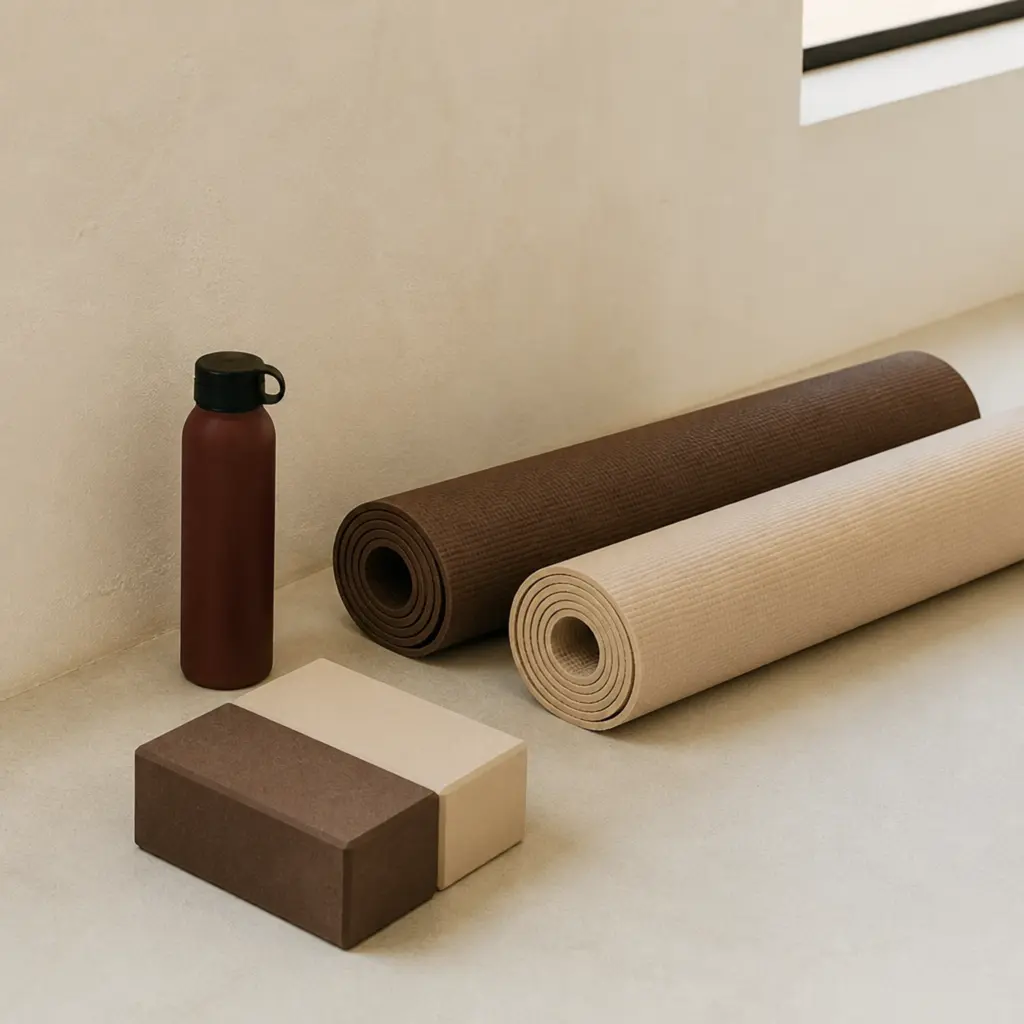
Bring water and something comfortable to move in. That is the entire list. We have mats, blocks, straps and blankets at the studio, and you are welcome to use them for as long as you like.
Arriving
Someone will meet you at the door and ask two questions: whether you have practised before, and whether anything is currently sore, injured or recovering. Please answer the second one honestly, however minor it seems. Knees, wrists, lower backs and necks all change how a teacher will cue you, and it is far easier to plan around them at the start than to correct mid-class.
You will be shown where to leave shoes and bags, and where to set your mat. Take a spot wherever you like — there is no back row here in any meaningful sense. Classes cap at six to ten students, so every space in the room is within easy reach of the teacher.
The class itself
Most classes follow the same broad arc:
- Settling — a few minutes seated or lying down, letting the breath slow.
- Warming — gentle, mobile movement through the spine, hips and shoulders.
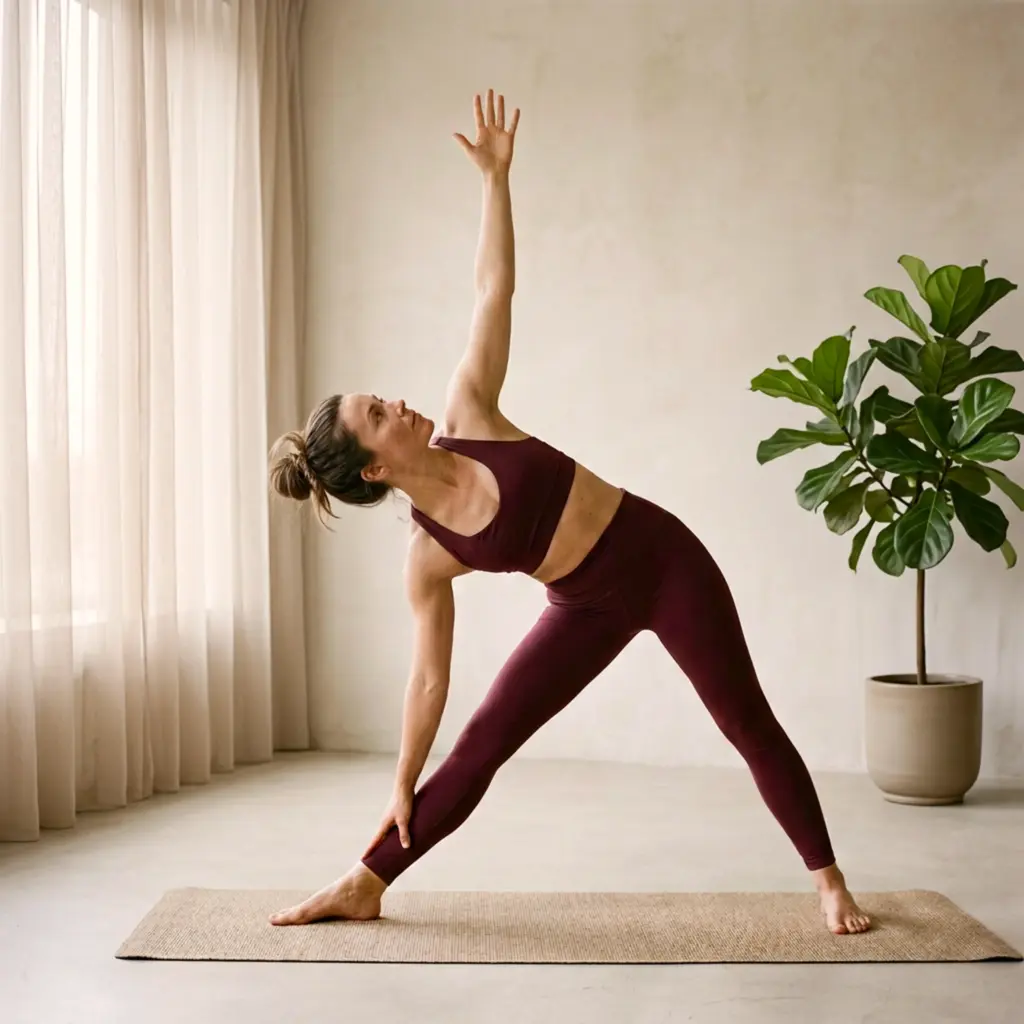
- Building — the main body of the class, whether that is a flowing sequence in Vinyasa or longer held shapes in Hatha.
- Cooling — twists, forward folds, something slower.
- Savasana — five to ten minutes of complete rest at the end. It is not optional and it is not a nap; it is where the practice consolidates.
You will be offered options throughout — a block under the hand, a bent knee, a version that stays closer to the floor. These are not lesser versions of the pose. They are the pose, adapted to the body doing it today.
Three things nobody tells beginners
You do not need to be flexible. Flexibility is an outcome of practice, not a requirement for it. Starting stiff simply means you will notice change faster.
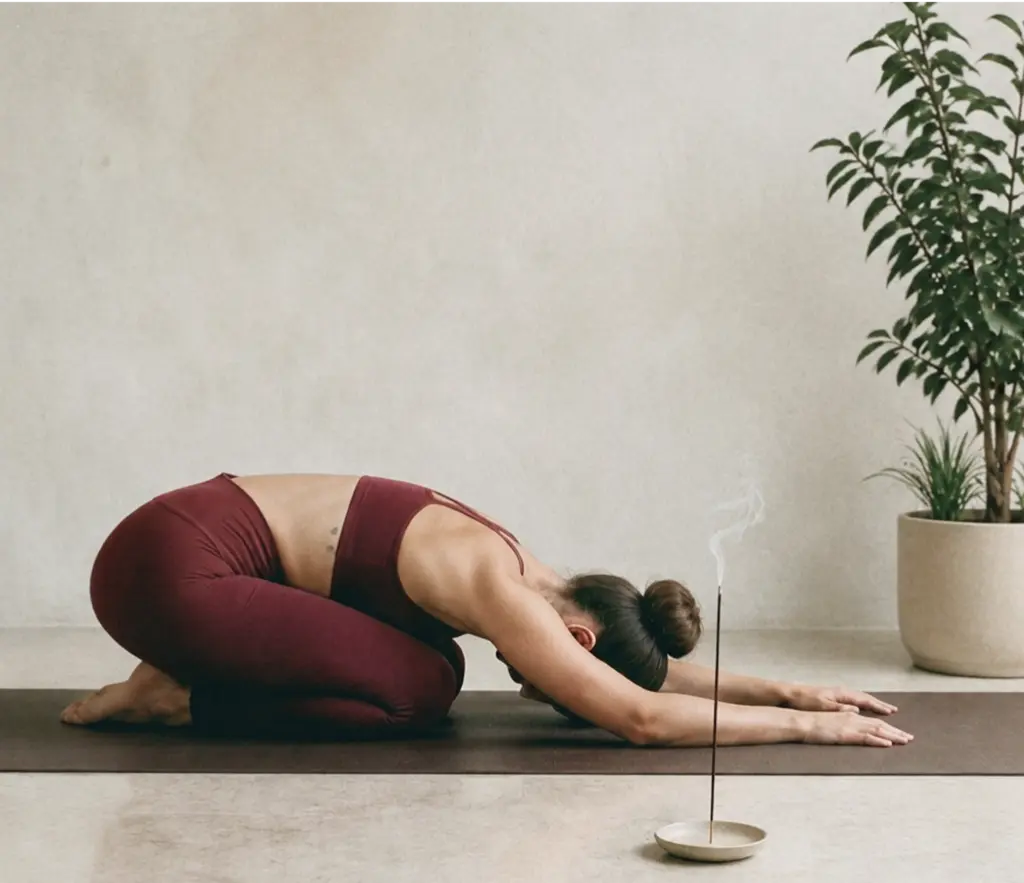
You can stop at any point. Sitting one round out, or resting in child’s pose while the room moves, is a skill rather than a retreat. Experienced students do it constantly.
Nobody is watching you. Everyone in the room is fully occupied with their own balance. This is genuinely true and takes about one class to believe.
Afterwards
Stay for a few minutes if you can. The teacher will be around to answer anything that came up, and it is worth asking — the questions you have after a first class are usually the useful ones.
If you would like to start with something slower, Restorative is the gentlest entry point. If you want to move, Hatha gives you the most instruction per minute. Either is a good first class.