
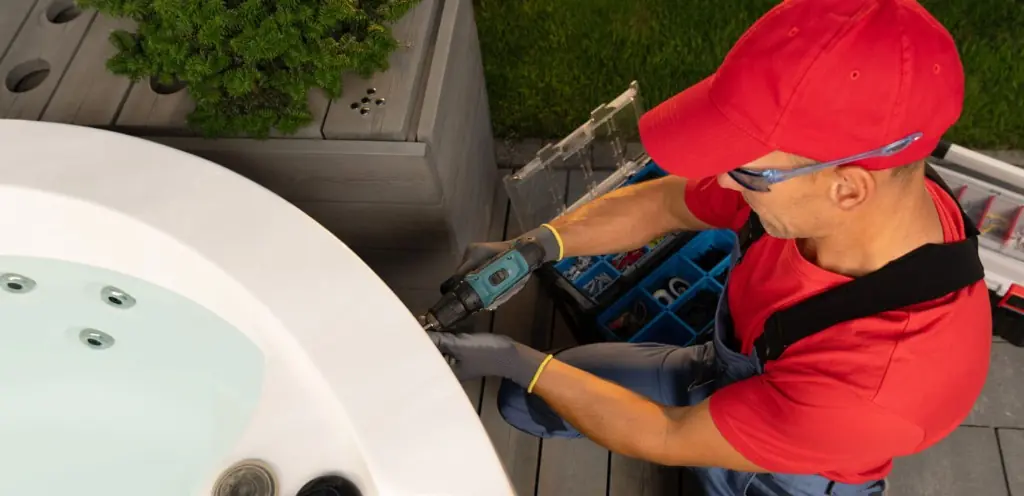
The pool filter removes dirt, oils, insects, and other particles from the water. Without proper filter maintenance, the pool may become cloudy and the circulation system may have to work harder.
Types of Pool Filters
The three most common filter types are sand, cartridge, and diatomaceous earth filters.
Sand filters are cleaned by backwashing. Cartridge filters contain removable elements that are rinsed or replaced. Diatomaceous earth filters use a fine powder to capture very small particles.
When Should You Clean the Filter?
Check the pressure gauge regularly. A noticeable increase above the normal operating pressure often means the filter needs cleaning.
You should also inspect the filter when:
- Water circulation becomes weak
- The pool stays cloudy
- Debris returns through the pool jets
- The pump runs longer than usual
- The filter has not been serviced recently
Avoid Cleaning Too Frequently
A slightly dirty filter may capture particles more effectively than a completely clean one. Follow the manufacturer’s recommendations instead of cleaning it after every minor pressure change.
Schedule Routine Inspections
Filters can develop cracks, worn seals, damaged cartridges, or internal blockages. Routine professional inspections help extend the life of the equipment and improve water circulation.
A properly maintained filter keeps the water cleaner, reduces strain on the pump, and makes the entire pool system more efficient.