
Cats are naturally meticulous self-groomers, but long-haired breeds and senior cats often need extra help from their human companions to keep their coats healthy.
Start Small and Build Trust
Never force a grooming session on a nervous cat. Begin with short, two-minute sessions while your cat is relaxed or lying in your lap. Focus on gentle strokes using a soft-bristles brush before introducing specialized tools.
Choose the Right Time and Environment
Pick a quiet room away from loud noises, children, and other pets. Schedule grooming when your cat is sleepy, such as after a play session or a meal, rather than when they are energetic.
Read Their Body Language
Pay close attention to your cat’s behavioral signals. Twitching tails, flattened ears, or low growls mean your cat is feeling overwhelmed. Pause the session immediately and try again another day to keep the experience positive.
Handle Paws with Extra Care
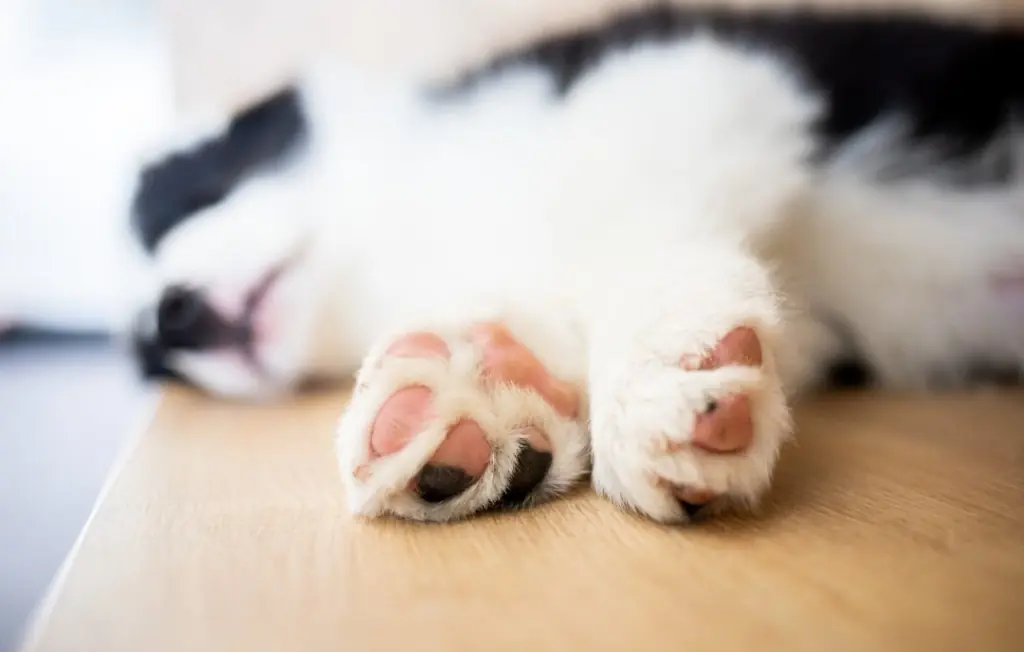
Nail trimming is often the most challenging part of feline care. Gently massage your cat’s paws when cuddling so they get used to being handled. Extend one claw at a time and trim only the sharp tip, avoiding the quick.
End Every Session on a High Note
Always finish grooming with praise, affection, and a favorite treat. Even if you only managed to brush a single section of fur, rewarding your cat reinforces that grooming leads to good things.
Ready to offer top-tier cat care services online? Create an elegant pet care website using PetCare and grow your client base!