
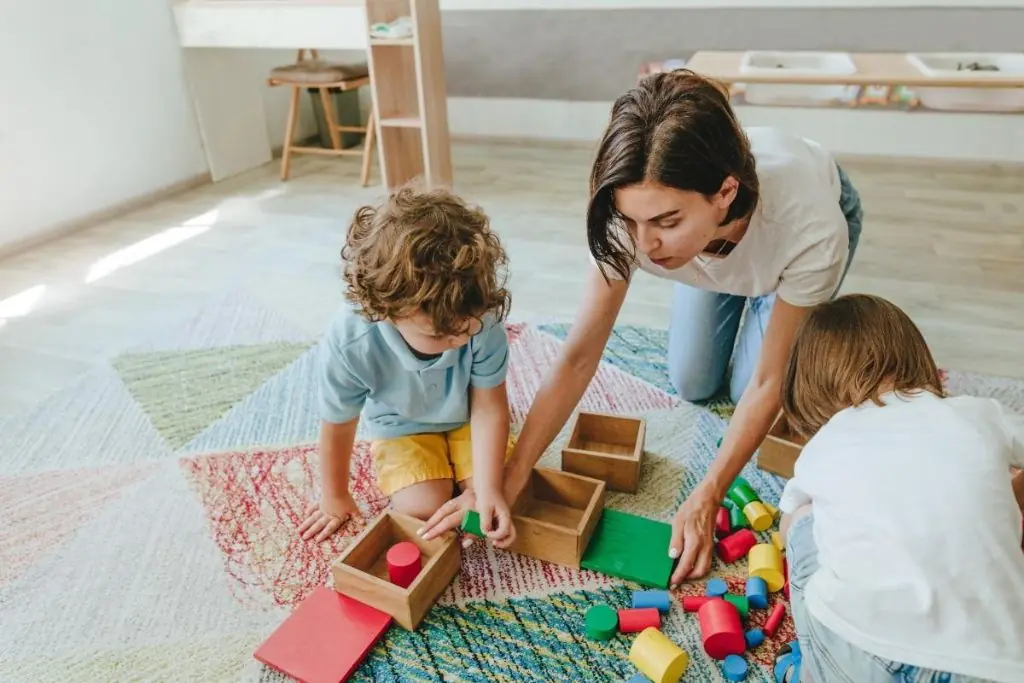
Children learn best when they are active, curious, and having fun. Simple home activities can help young children develop creativity, communication, confidence, and problem-solving skills.
You do not need expensive toys or complicated materials. Many enjoyable learning experiences can be created using everyday household items.
Create a Storytelling Corner
Choose a comfortable area with cushions, books, and soft lighting. Read stories together and encourage children to talk about the pictures, characters, and events.
After finishing a book, ask questions such as:
- What was your favorite part?
- How do you think the character felt?
- What might happen next?
You can also invite children to create their own stories using toys, drawings, or handmade puppets.
Storytelling supports language development, imagination, and emotional awareness.
Explore Colors and Shapes
Turn color and shape recognition into a playful activity.
Ask children to find objects around the room that are red, blue, round, square, large, or small. You can also sort buttons, blocks, or safe household objects into different groups.
These activities introduce early mathematics while improving observation and classification skills.
Always supervise young children when using small objects.
Make Homemade Art
Art gives children the freedom to explore ideas and express emotions.
Provide child-safe crayons, washable paint, paper, stickers, or pieces of recycled cardboard. Let children experiment without worrying about creating a perfect result.
Finger painting, sponge printing, paper collages, and nature drawings are all simple options.
Focus on the creative process rather than the finished artwork. Praise effort, curiosity, and original ideas.
Enjoy Music and Movement
Play cheerful music and encourage children to dance, clap, march, or move like different animals.
You can pause the music and ask everyone to freeze. You can also create homemade instruments using sealed containers filled with rice or pasta.
Music and movement help children develop coordination, listening skills, rhythm, and body awareness.
Try Simple Science Experiments
Young children are naturally curious about how things work.
Try placing different safe objects in a bowl of water and predicting whether they will sink or float. You can also mix colors, grow a seed in a clear container, or observe how ice changes as it melts.
Ask children what they notice and encourage them to make predictions. There is no need to provide a detailed scientific explanation. The goal is to build curiosity and observation skills.
Include Children in Everyday Tasks
Daily routines can become meaningful learning opportunities.
Children can help match socks, count spoons, wash vegetables, organize toys, or water plants. These tasks develop independence and teach children that their contributions are valuable.
Choose responsibilities that are safe and suitable for the child’s age.
Keep Activities Flexible
Children have different interests, energy levels, and attention spans. An activity may last five minutes one day and thirty minutes the next.
Follow the child’s curiosity and avoid forcing them to continue when they lose interest. A flexible, encouraging environment allows children to learn naturally through play.
The most important ingredient is not the activity itself. It is the caring attention, conversation, and encouragement shared between the child and caregiver.